
Disorders
There are many sleep disorders. The most common include obstructive sleep apnea (OSA), narcolepsy, nocturnal seizures, periodic limb movements (PLM), restless leg syndrome (RLS), and sleep walking. Learn more about these disorders below. If you are experiencing any of these symptoms, see your primary healthcare provider or a Sleep Medicine Physician.
Sleep Disorders Information

Insomnia
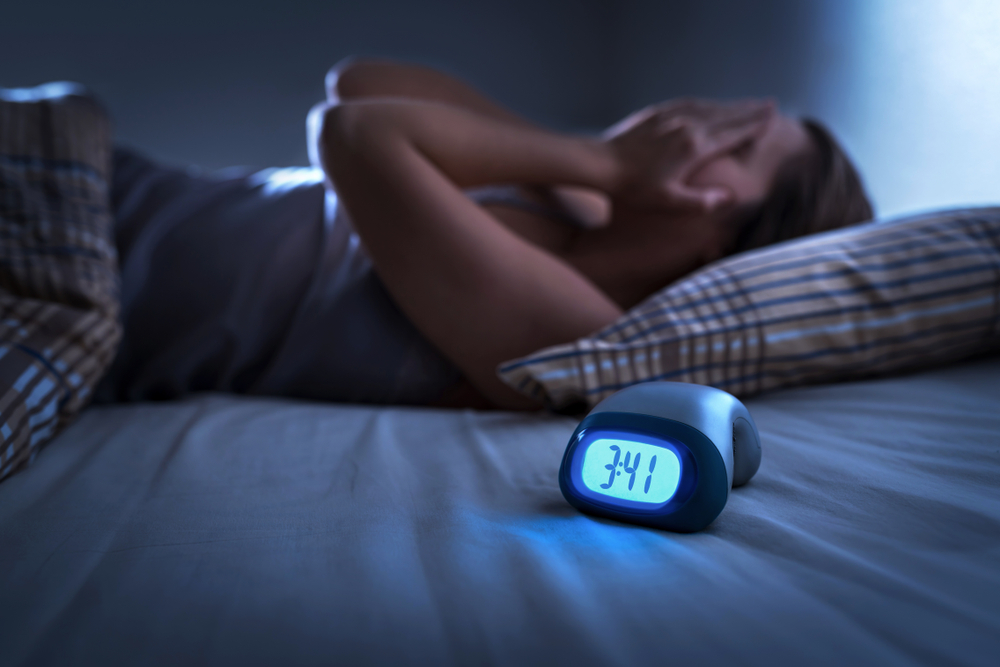
Insomnia is defined as difficulty in falling or staying asleep, and is experienced to a moderate degree by more than a third of American adults. One in ten Americans experiences chronic insomnia, which typically requires some treatment for improvement.
Narcolepsy
Narcolepsy is a sleep disorder that impacts the control of sleep and wakefulness. People with narcolepsy experience excessive sleepiness that includes uncontrollable instances of suddenly falling asleep during any activity at any time of day.
Nocturnal Seizures
Nocturnal, or sleep-related seizures, cause abnormal movement or behavior while sleeping. Activity ranges from awakening from sleep for no clear reason, to violent arm and leg movement, tongue-biting, and urination.
Obstructive Sleep Apnea
Obstructive sleep apnea is a sleep disorder in which breathing stops while sleeping. For people with untreated sleep apnea, these breathing interruptions can range from five to more than 100 times per hour.
Periodic Limb Movements (PLM)
Periodic limb movements (PLM) are occurrences of simple, repetitive, and uncontrollable muscle movements. PLM can occur during the day but is more common during the night and can seriously disrupt sleep, which causes daytime fatigue.
Restless Legs Syndrome (RLS)
Restless legs syndrome (RLS) is a condition characterized by a strong urge to move the legs which is difficult to resist. This need for movement is often accompanied by uncomfortable sensations that are difficult to describe, but may be like burning, prickling, itching, or tingling. Temporary relief occurs when the legs are moved.
Sleepwalking (Somnambulism)
Sleepwalking occurs when a person gets up from bed and walks around despite being still asleep. Sleepwalking can also include sitting up in bed, speaking or shouting, and looking around in a confused manner.

Questions?
Contact us today to learn how we can help you sleep

275 10th St. SE
Suite 3330
Cedar Rapids, IA 52403
Phone: (319) 362-4433
Phone: (877) 361-4433
Fax: (319) 362-4466
